Injured? Get help here!
Call Us 24/7

(850) 433-6581



Se Habla Español





Se Habla Español
After a car accident in Pensacola, many people feel unsure about whether they actually need an attorney. Some hope the insurance company will handle everything.
Others wait, expecting injuries to improve or assuming the process will be straightforward. But car accident claims can become complicated quickly, especially when injuries worsen, bills start to pile up, or the insurance company delays communication. Knowing when to reach out to an attorney can help protect your health, your financial stability, and your ability to recover compensation.
Emmanuel Sheppard & Condon has represented injured people across Pensacola and the Gulf Coast for decades, helping them understand their rights and next steps. Here are situations where contacting a car accident attorney early can make a meaningful difference.

Many people walk away from a car accident thinking they’re fine, only to feel pain hours or days later. Soft tissue injuries, concussions, back and neck strains, and internal trauma can take time to show symptoms. Victims may try to tough it out, hoping the pain goes away, but the longer they wait to seek treatment, the harder it becomes to show the injury was caused by the crash.
This is often when people realize the process isn’t as simple as expected. Medical providers may recommend additional testing, physical therapy, or follow-up care. Bills begin to accumulate. Injuries may interfere with work or daily routines, and what once felt manageable becomes overwhelming.
Contacting an attorney at this stage helps ensure you understand what documentation matters, how to communicate with insurance companies, and what steps might strengthen your claim. Instead of guessing whether your injuries are “serious enough,” an attorney helps you see the bigger picture and protects your ability to seek fair compensation.
Insurance companies often move quickly right after a crash — then suddenly slow down. Victims may wait weeks for updates, only to receive confusing requests for more paperwork or statements. Sometimes adjusters challenge medical care, ask leading questions, or suggest the claim is worth less than expected. When this happens, it’s a clear signal that legal guidance may be needed.
Insurance companies are skilled at minimizing payouts. They may question the severity of injuries, argue that treatment took too long to begin, or suggest that the victim had preexisting conditions. These tactics can make people doubt themselves or accept less than they deserve. When communication becomes inconsistent or stressful, it often means the insurer is controlling the narrative — not the victim.
An attorney helps shift that balance. By stepping in to handle communication, they ensure nothing is said that could harm the claim and that the insurance company follows the rules. This support takes pressure off victims and helps move the process forward with more clarity and stability.
Not every crash is straightforward. Even in cases where it feels obvious what happened, the other driver or their insurance company may deny responsibility. They might argue that the victim was distracted, braking suddenly, changing lanes, or driving too fast. These disputes can appear quickly and can complicate a claim before the victim even realizes what’s happening.
Fault becomes especially complicated in multi-vehicle crashes, intersection collisions, rear-end accidents with contested circumstances, or crashes involving pedestrians or motorcycles. Evidence such as crash photos, witness statements, vehicle damage, and police reports may help — but gathering and interpreting this information can be difficult without support.
An attorney helps victims understand how fault is determined and what evidence can strengthen their position. When liability is unclear, disputed, or shared among multiple drivers, getting legal guidance early can prevent misunderstandings that weaken the claim. The earlier the support begins, the easier it is to preserve important details.
Car accidents often create sudden disruptions in a person’s ability to work or care for their family. Even moderate injuries can interfere with lifting, standing, concentration, or mobility. Victims may miss shifts, reduce hours, or take unpaid leave. When this happens, financial stress can build quickly, especially when medical bills arrive at the same time.
An attorney helps victims understand how lost income, reduced earning capacity, and long-term limitations may factor into a claim. Without guidance, many people underestimate how much compensation they may need to stay financially stable during recovery. Some also feel pressure to return to work too soon, which can worsen injuries or reduce the value of their claim.
With a clearer understanding of how income loss affects the outcome, victims can make decisions that protect their health and financial well-being — rather than rushing through the claims process without support.
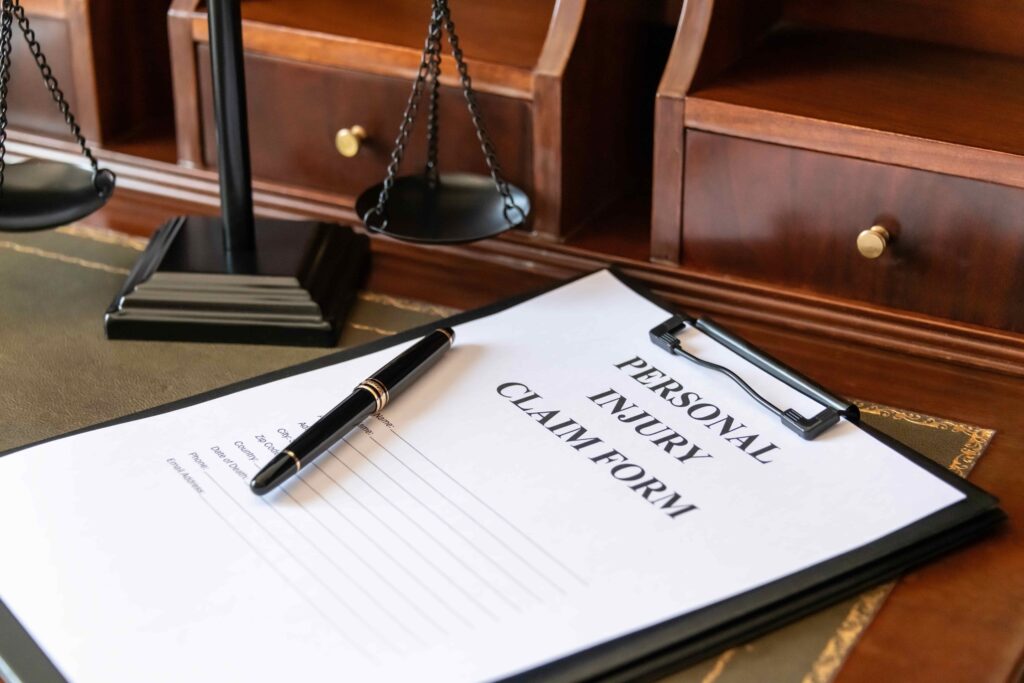
Even straightforward accidents can feel complicated once paperwork, medical appointments, insurance calls, and unexpected expenses begin stacking up. Many people reach a point where they feel unsure what to do next or worry about making a mistake. This sense of overwhelm is often the moment when legal guidance becomes most valuable.
An attorney helps create structure. They explain what to expect, which steps matter most, and what common pitfalls to avoid. They also help organize documentation so nothing important is overlooked. Instead of feeling like you’re handling everything alone, you gain support from a team that understands how the process works and what strategies protect your rights.
This early clarity often reduces stress and helps victims feel more confident as they continue their recovery.
It may seem harmless when the other driver’s insurance company calls and asks for your version of events, but these conversations can create significant risk. Adjusters are trained to ask questions in ways that may lead to answers that limit liability or minimize the value of a claim. They may seem friendly, but their primary goal is to protect their company — not the injured person.
Victims sometimes feel pressured to give recorded statements or answer detailed questions before they have a clear understanding of their injuries or the circumstances surrounding the crash. Even small, unintentional inconsistencies can be used to cast doubt on a claim later. These early interactions often shape how the entire case unfolds.
An attorney can step in immediately to shield you from unnecessary questioning and guide what information is appropriate to share. They ensure that communication stays factual, controlled, and focused on protecting your rights. When another insurance company begins calling, emailing, or requesting statements, it’s a strong sign that you should speak with an attorney before responding.
Some car accidents cause injuries that do not fully heal — or take months or years to improve. Conditions like nerve damage, chronic pain, spinal injuries, and traumatic brain injuries can change the course of a person’s life. They may affect employment, independence, personal relationships, and overall financial stability.
In these situations, the value of a claim extends far beyond short-term medical bills. Future treatment needs, mobility aids, long-term therapy, home modifications, and ongoing medication costs must all be considered. Without legal guidance, many victims undervalue these long-term impacts or accept settlements that fail to reflect their true needs.
An attorney helps calculate the full scope of damages — including projected medical costs, reduced earning capacity, and long-term suffering. They ensure that the settlement reflects not only immediate losses but also the lasting ways the accident may affect your life. When injuries change your future, contacting an attorney is essential to securing the resources you need for long-term stability.
Accidents involving commercial vehicles, rideshare drivers, delivery trucks, or multiple cars often become significantly more complex. Different insurance policies, corporate entities, state regulations, and layers of liability can complicate even basic questions about fault and compensation. Victims may find themselves communicating with multiple adjusters, each with different priorities.
These cases often require a deeper investigation into driver logs, maintenance records, video footage, onboard technology, or company insurance procedures. Handling these details without legal support can be overwhelming and may lead to missed opportunities to secure key evidence.
An attorney understands how to manage multi-party claims, preserve time-sensitive information, and identify all possible sources of compensation. When commercial or multiple-vehicle involvement is suspected, contacting an attorney early helps maintain control over a complicated process and ensures every responsible party is held accountable.
Early settlement offers may feel tempting, especially when bills are rising and life feels uncertain. Insurance companies know this — and may present quick, low settlement options before the full extent of injuries is known. Many victims accept early offers only to later discover they need more treatment, lose income, or require ongoing care.
Once a settlement is accepted, you typically cannot ask for more money later. That’s why early offers should be approached with caution. Insurance companies rarely present their best offer first, and these early amounts often fail to account for long-term financial impacts.
An attorney evaluates whether a settlement is fair and explains what future costs should be considered before accepting. With this support, victims avoid being rushed into decisions that may harm their recovery. If you feel pressured by phone calls, emails, or repeated settlement discussions, it’s a strong sign you should get legal help immediately.

Not every accident comes with a clear determination of who caused the crash. Sometimes police reports leave important details out, witnesses give inconsistent statements, or the other driver claims a completely different version of what happened.
When fault is disputed, victims often find themselves in a difficult position — insurance companies may use these inconsistencies to deny or reduce the value of a claim.
An unclear or incomplete accident report does not mean you are out of options. It simply means that additional evidence may be needed to clarify what happened and who is responsible. This can include traffic camera footage, vehicle damage analysis, phone records, or expert evaluations. Without legal support, gathering and interpreting this type of evidence can feel overwhelming.
An attorney can step in to strengthen the facts, correct misunderstandings, and ensure your side of the story is clearly represented. They understand what evidence carries weight and how to present it in a way that insurance companies must take seriously. When fault becomes a point of conflict, having an attorney can make the difference between a denied claim and a fair outcome.
Accidents create stress that extends beyond physical injuries. Victims may struggle emotionally, financially, or mentally as they adjust to changes in daily life. Having an attorney means having someone who understands the process, protects your interests, and helps reduce the burden at every stage.
Even when a case seems manageable at first, unexpected complications can arise. Evidence may be disputed, injuries may worsen, or insurance companies may become more aggressive. Instead of facing these challenges alone, having an attorney provides support, direction, and a clear plan of action.
Reaching out doesn’t mean you’re committing to a lawsuit. It simply means you are taking proactive steps to protect yourself and to understand your options. When peace of mind becomes just as important as physical recovery, speaking with an attorney can help restore stability and confidence.
If you’re unsure whether it’s the right time to get an attorney after a car accident, Emmanuel Sheppard & Condon is here to guide you. Our team has supported injured people throughout Pensacola for decades, offering clarity, protection, and strong legal representation when they need it most. We are here to evaluate your situation, answer your questions, and help you understand your rights.
When the insurance company pushes back, your injuries worsen, or the process becomes overwhelming, you don’t have to navigate it alone. Call Emmanuel Sheppard & Condon at (850) 433-6581 to get the support and legal guidance you deserve.